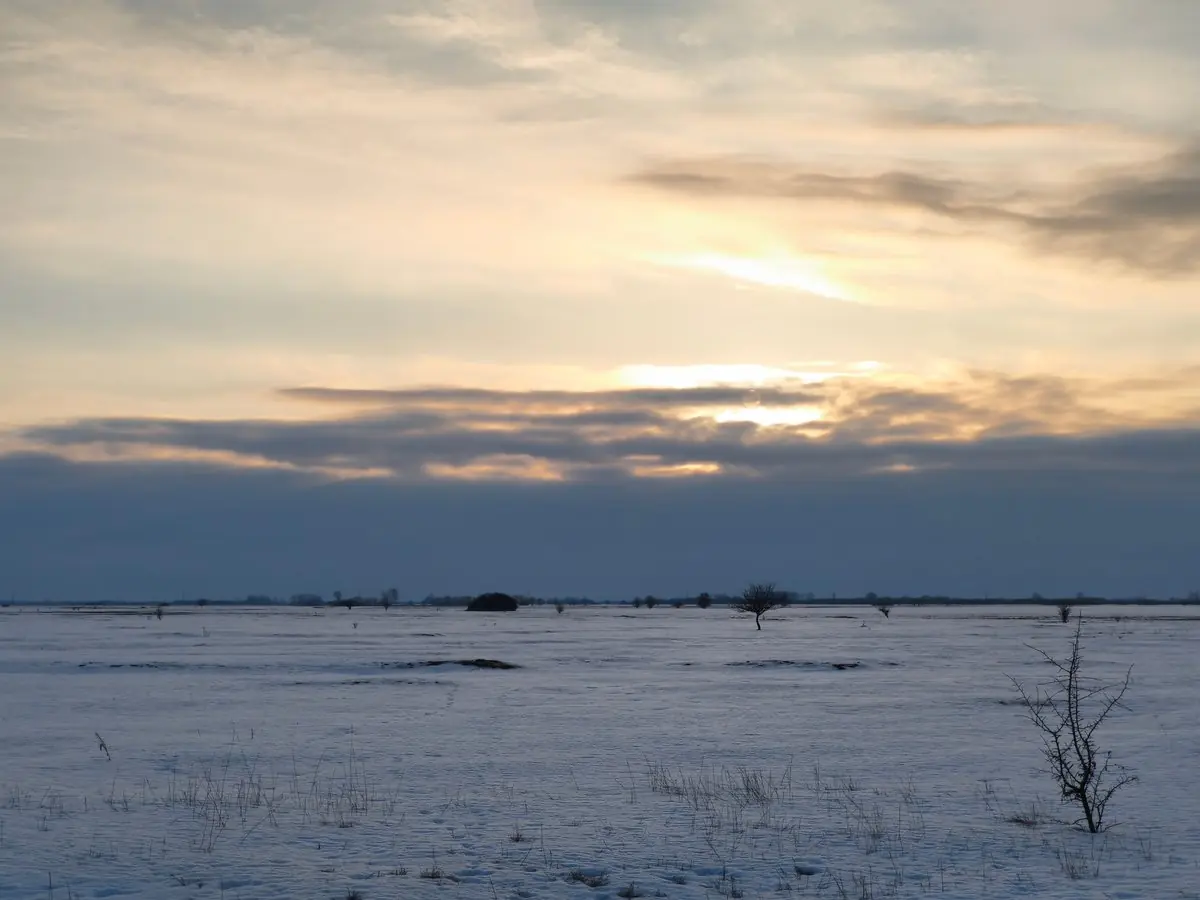
The first significant birdwatching event of 2026 took place on January 16th and 17th, the national (or rather, covering most of the Carpathian Basin) eagle census. It was held for the 33rd time in South Heves, while the 23rd countrywide census this year. The experts from the Bükk National Park Directorate divided the Heves Plain into 16 sections, three of which, clearly separated from the others, were surveyed on Friday. On Saturday, numerous volunteers, including several members of our association, counted the individuals of wintering birds of prey species in the 13 remaining areas aroumd the Heves Grassland Steppes Protected Landscape Area.
What is a synchronised count like this all about?
The method is relatively simple. Many experts go out into the field and collect data on the birds they observe there simultaneously. Once the count is complete, the data is aggregated to give a relatively accurate number of birds of prey in the area. The advantage of simultaneous counting is that it results in fewer double counts. In some cases, these can be filtered out based on the time and direction of movement, even if two observers saw the same individual.
However, this requires significant organizational work, a detailed methodology and precise knowledge of the individual areas. This means that the organizers have a lot of work and preparation to do in advance:
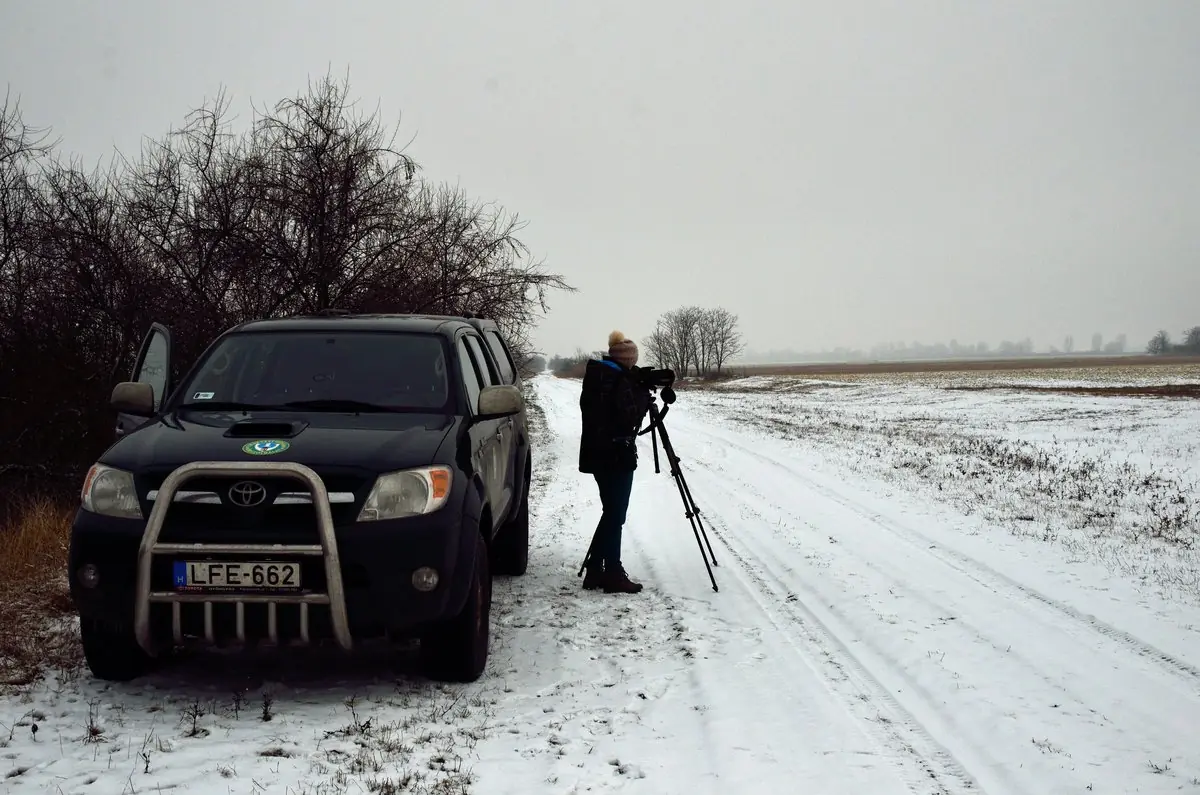
- It is necessary to determine who can move effectively in which area (by off-road vehicle or on foot).
- The movements of birds of prey (especially eagles, as the primary target species) must be known to count individuals as accurately as possible.
- The preparation and printing of maps and data sheets, as well as the development and installation of electronic data collectors, are essential for work and subsequent aggregation.
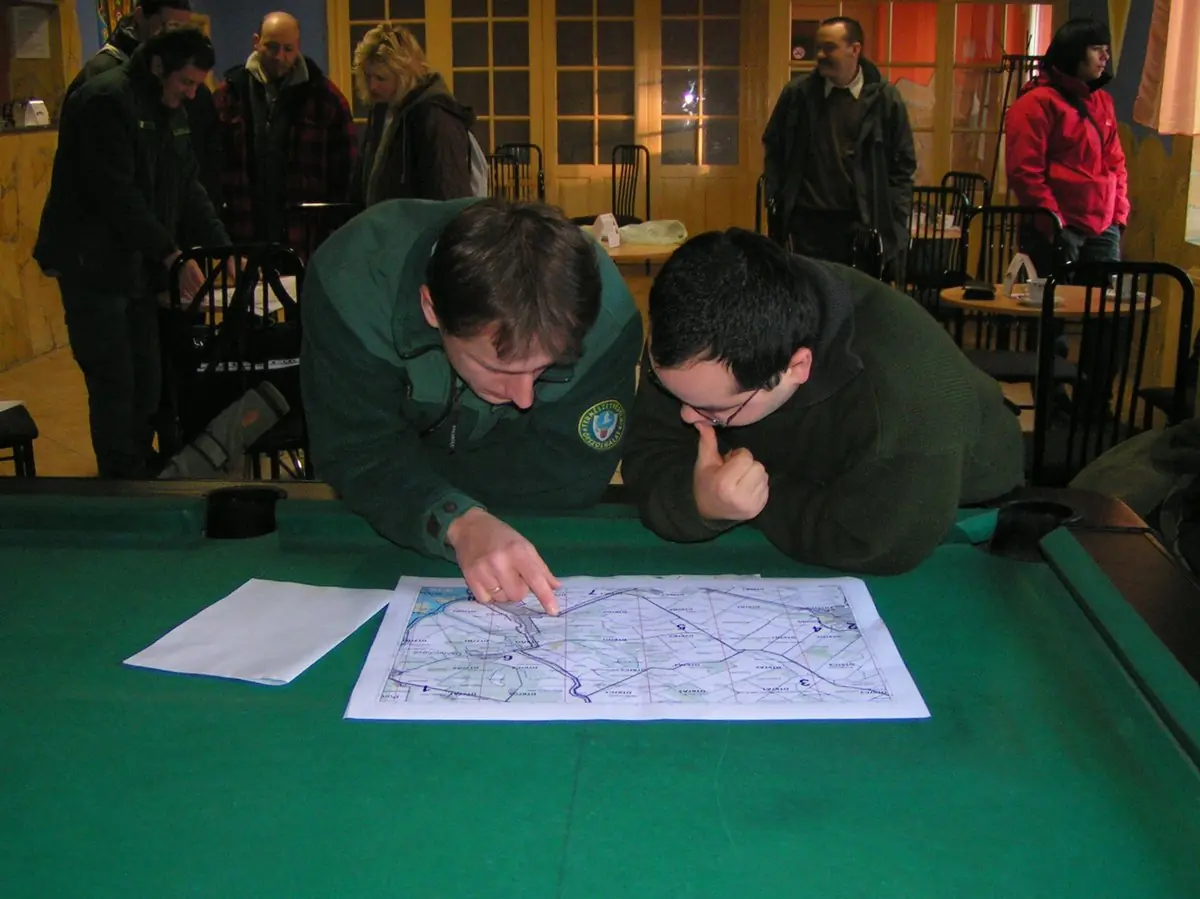
On the morning of the eagle census day, data sheets and maps must be distributed to all arrivals as quickly as possible. The organizers provide detailed information about the area alongside the maps so that work can begin in the field as soon as possible.
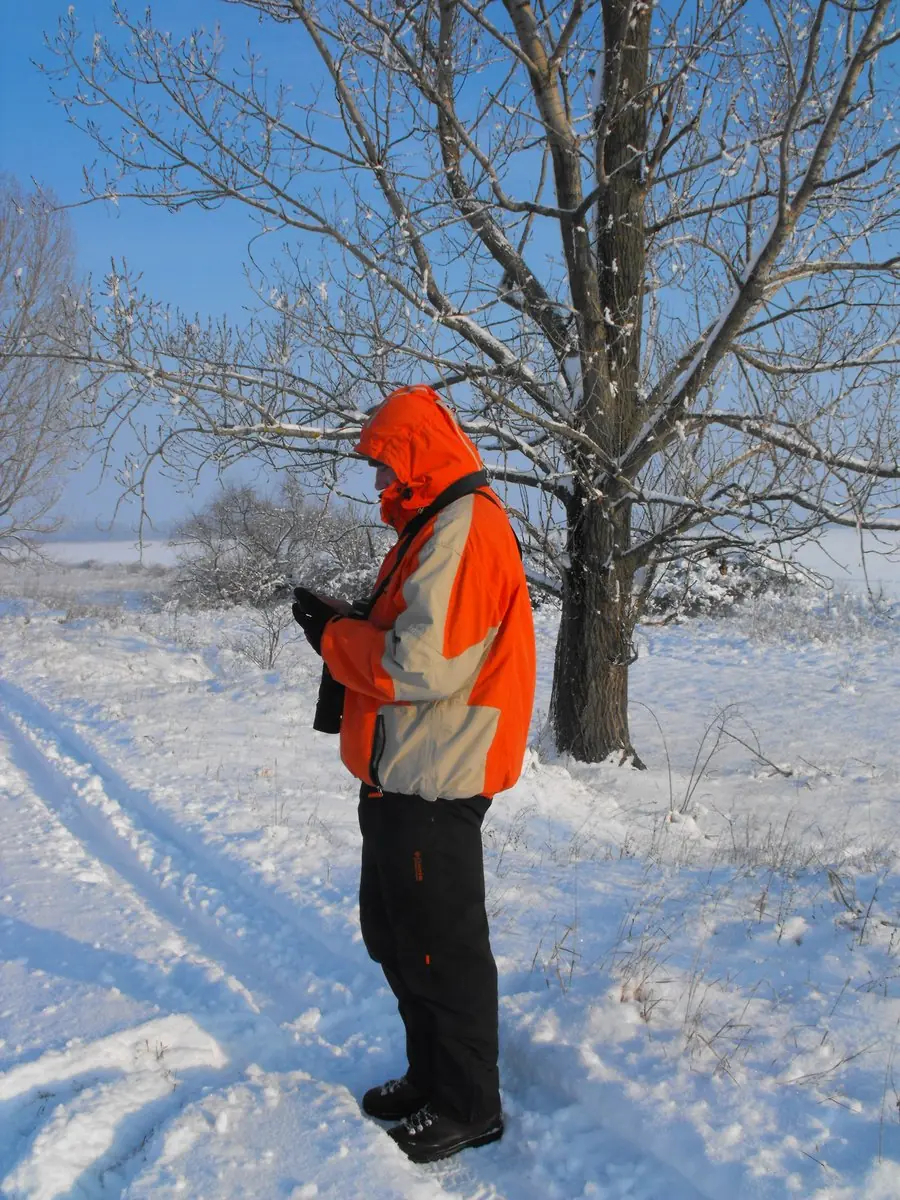
During the day, each observer surveys the area assigned to them and records the data. They record the species, sex and age where possible, the exact location, time and any direction of movement.
At the end of the day, the organizers have more work to do. They summarize the collected data, clarify the movements and consult with observers to ensure that the estimated numbers reflect reality as closely as possible.
Why are the results not available immediately?
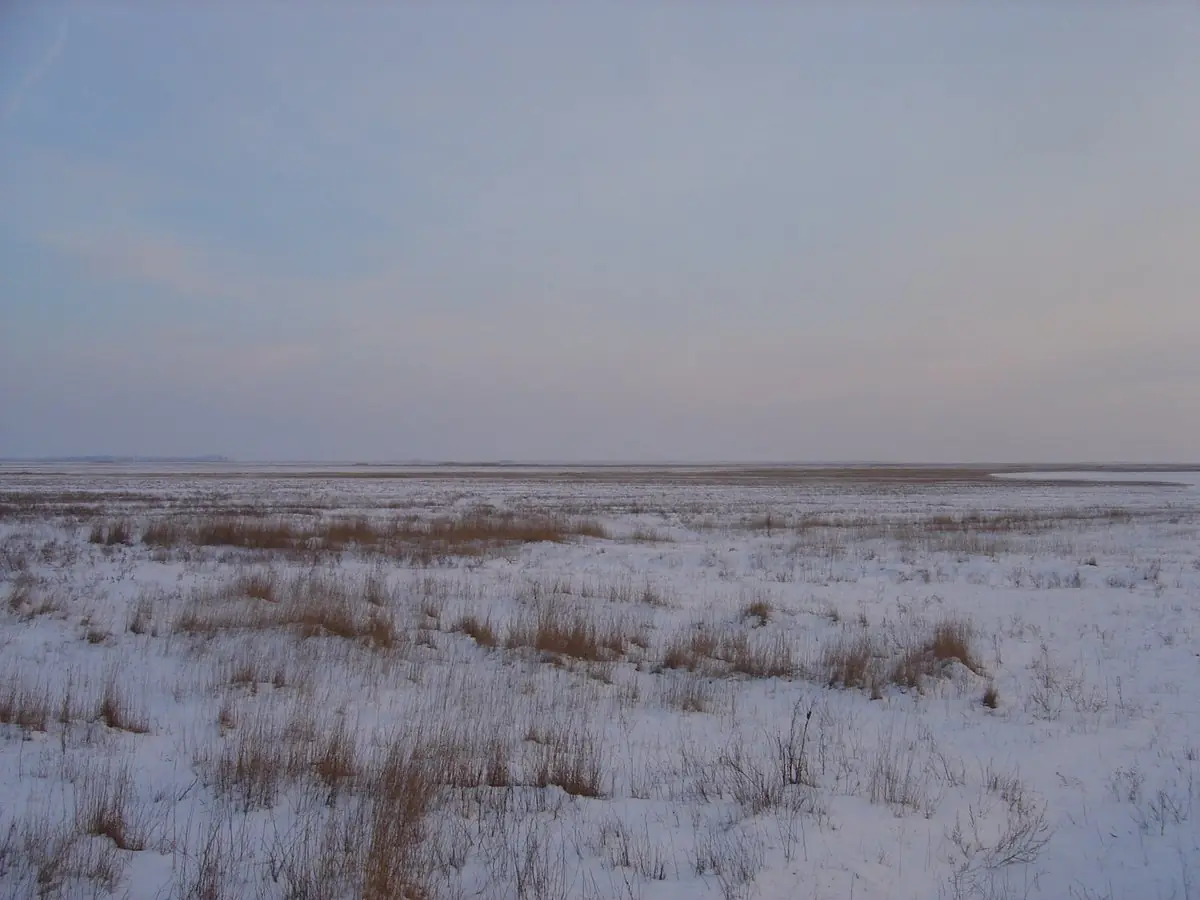
For a smaller area, the compilation would be simple, but reconciling the data of so many people is not an easy task and can take several days. Therefore, although there is always a quick estimate at the end of the day, the exact data can only be determined after a few days. This is also made more difficult by the different data collection methods. Every data collector working in the field has their own preferred method of data collection. Some prefer to record data electronically, while others draw directly on printed maps. Dictaphones and notebooks are also common tools. The most important thing is that everyone can work as accurately as possible in their own way, as only the short winter daylight is available for exploring the area and recording observations.
This means that processing, recording and, if necessary, reconciling the data places an additional burden on the organizers, while they are also carrying out fieldwork themselves. Once this is complete, they begin processing the data, and the results are available after a few days.
What do the numbers mean?
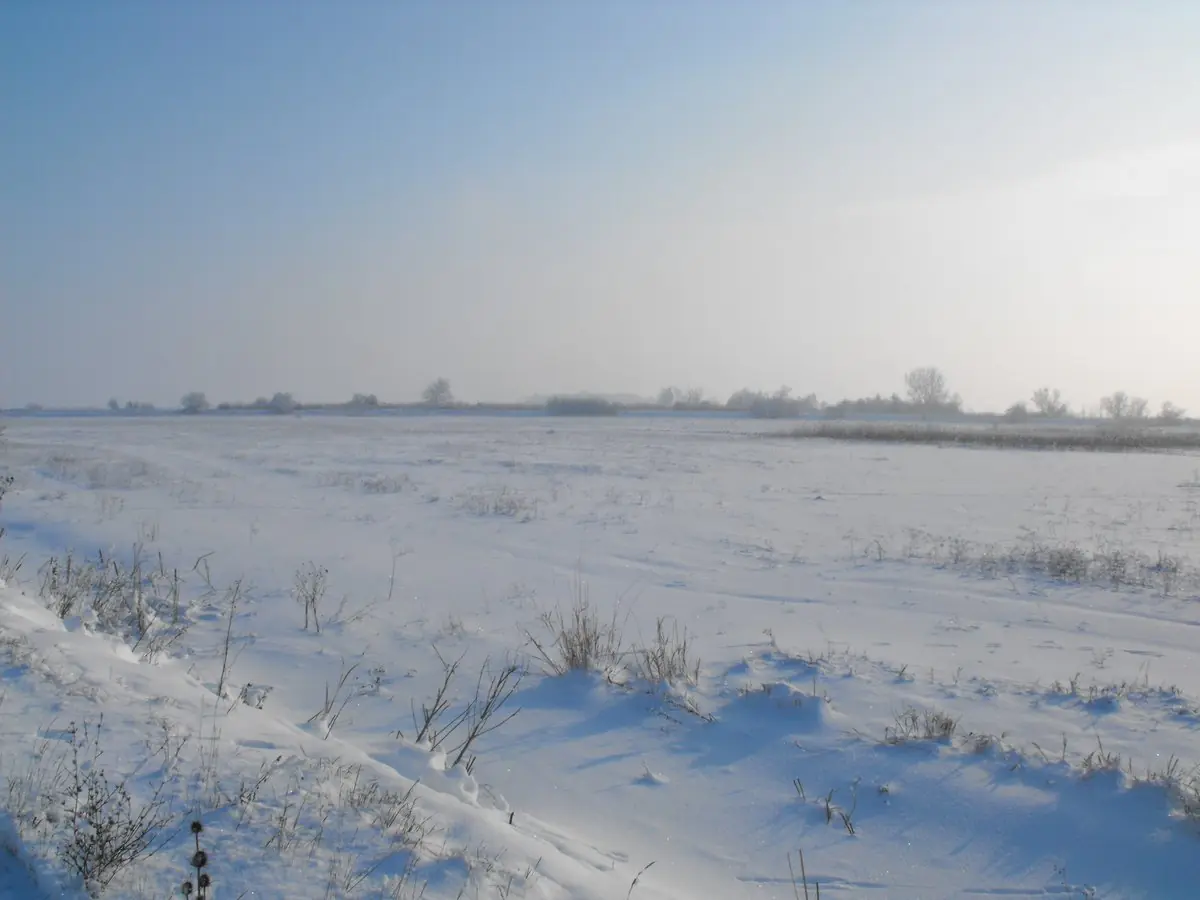
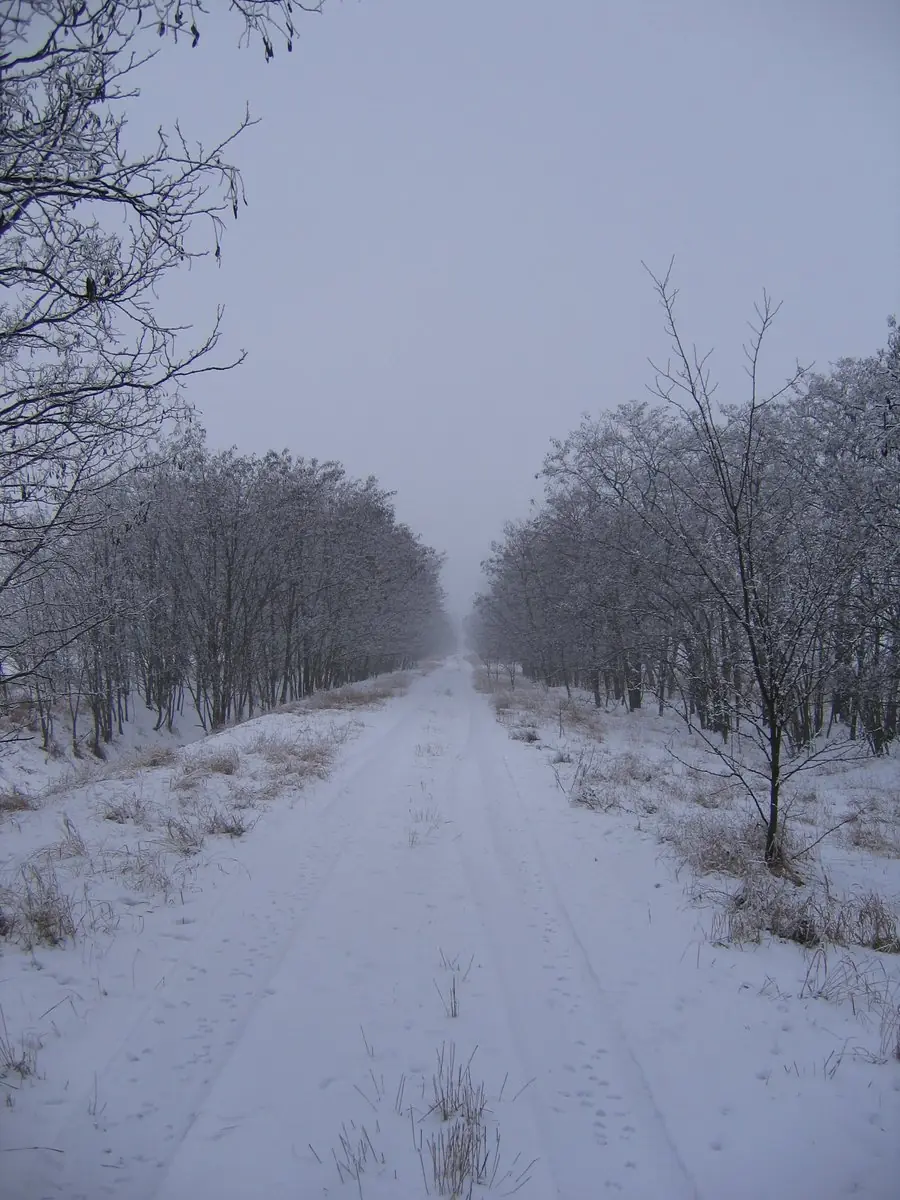
The number of birds that can be observed depends on many factors. The first and one of the most important is the weather. As this cannot be predicted in advance, it sometimes happens that the count takes place on a foggy, humid day. When visibility is low, quite a few birds are bound to escape our attention. In such cases, it takes much longer to cover the area, and the number of surveyors cannot be increased significantly. It is also important to mention the wind. In strong winds, birds are less active and prefer to hide from the wind. This makes them harder to spot, so we are bound to count fewer of them.
Terrain conditions are also related to the weather. In mild weather, muddy roads make it more difficult to travel by off-road vehicle or on foot. Therefore, due to the limited time available, it may not be possible to cover the area as densely as necessary. As a result, certain areas may be left out, and birds may escape the attention of field workers.
Another important factor is the number of specialists. Counting requires serious ornithological knowledge. Some species are hard to identify and require a great deal of practical experience. The specialized knowledge and determination required for such work are not common.
Last but not least is the actual number of birds of prey. At first glance, this seems so obvious that one might wonder why it needs to be mentioned. However, it is important to note that we are counting wintering birds. Birds are capable of travelling long distances, even hundreds of kilometres, in a relatively short period of time. Outside the breeding season, the territoriality that plays a prominent role during the nesting season is less important. There are no eggs or chicks to tie these animals to a particular location. Although there are some individuals that remain near their nests even at this time of year, most of the predators observed in winter are primarily driven by the availability of food. Where there are many small rodents, there will be more Kestrels or Hen Harriers, for example. In the case of White-tailed Eagles, the availability of fish and possibly waterfowl (ducks, wild geese) is important, but both White-tailed Eagles and Imperial Eagles are happy to consume the carcasses of larger animals, especially during challenging periods. An important food source for the latter is the brown hare, whose population density is important to them even in winter. This can vary even within smaller regions, and drastic changes can occur in the food supply, and thus in the number of predators, even within a short period of time.
In light of the above, the final result and its accuracy vary greatly from year to year, and its meaning can also differ. It is obvious that observers will spot more birds on calm days with good visibility. It is also clear that where there is plenty of food, there will be more birds of prey. For example, in the case of a milder winter following a drier autumn, a larger number of small rodents will survive. In such cases, conditions are more favourable for species that overwinter locally, as they are unlikely to stray far from their nesting areas, and species that arrive from further afield, such as the Rough-legged Buzzard, have better opportunities and overwinter in greater numbers in the region. Young Imperial Eagles and sakers, which are otherwise nomadic, also remain in greater numbers in these areas.
Of course, it is impossible to draw any conclusions about the size of the breeding population of individual species or the species composition based on the number of wintering birds of prey, especially from the results of just a few days. For example, despite the Hen Harriers occasionally appearing in large numbers among the birds observed, in spring, they all disappear from our region and return to their distant breeding grounds. During such cold periods, many birds seek food elsewhere. Many Kestrels that nest here or fled here in the summer are now in other regions of Europe where conditions are better for their survival.
If the data is so unusable, what is the point of this survey?
Of course, more serious biostatistical methods can be used to analyse the data. Researchers also use data available from other sources (e.g. weather). They also take into account locations where there were observers, but no observations were made, which helps to refine the estimates and compare the results for each year. The time spent on the survey is also important, as it helps with comparison. As a result, data sets and information are compiled that help to understand the behaviour of wintering birds of prey.
This period is critical, especially for young birds, many of which do not survive until spring. Food is scarcer and harder to find, leading to the demise of weaker, less viable individuals. However, the strong ones overcome the difficulties and sooner or later become successful parents, giving life to new generations.
The more we learn about the life of birds during this period, the more accurately we can track population changes, the sooner we can identify problems and, if necessary, take targeted conservation actions to protect individual species and communities.
At the same time, field experience and community building also play an important role, which is influential for many surveyors in winter, when there is less field work, and the pace is not as intense as during the nesting season.
What were the results in 2026?
During the two survey days, 30 observers, accompanied by 16 field leaders, surveyed our region. Nearly 100,000 hectares were surveyed, 1068 individuals were detected. The detailed results and basic statistics can be found in the following table:
| Common name | Scientific name | Individual count |
Density ind/100 ha |
|---|---|---|---|
| White-tailed Eagle | Haliaeetus albicilla | 37 | 0.037 |
| Imperial Eagle | Aquila heliaca | 133 | 0.133 |
| Common Buzzard | Buteo buteo | 778 | 0.778 |
| Rough-legged Buzzard | Buteo lagopus | 24 | 0.024 |
| Long-legged Buzzard | Buteo rufinus | 4 | 0.004 |
| Hen Harrier | Circus cyaneus | 32 | 0.032 |
| Sparrowhawk | Accipiter nisus | 2 | 0.002 |
| Goshawk | Accipiter gentilis | 1 | 0.001 |
| Saker | Falco cherrug | 9 | 0.009 |
| Kestrel | Falco tinnunculus | 46 | 0.046 |
| Merlin | Falco columbarius | 2 | 0.002 |
| Total | 1068 | 1.068 | |
Although visibility was good, the number of smaller birds of prey (Kestrel (46 ind.), Hen Harrier (32 ind.), Sparrowhawk (2 ind.), etc.) was extremely low due to the quantity and availability of food (primarily small rodents and songbirds).
The spatial distribution of the birds was not uniform. In the case of the Imperial Eagle (133 ind.), it was very clear that the adult pairs occupying nests were in their usual places. The younger, more nomadic individuals, who made up the majority of the population, were mainly found in the region around Lake Tisza (in the vicinity of Tiszanána and Sarud). White-tailed Eagles (37 ind.), which like to stay close to water, also appeared here in greater numbers. They were probably attracted to this area by the wintering waterbird population.
It was a pleasure to see the large number of eagles (170 ind.). After the Common Buzzard (778 ind.), the most common bird of prey in Hungary, the Imperial Eagle (133 ind.) was the most numerous, which shows the success of the raptor conservation work carried out in the past decades by the Bükk National Park Directorate, the Hungarian Ornithological and Nature Conservation Society and our association.
Also important to mention are the Long-legged Buzzards (4 ind.). Although the number of individuals of this species in the country was extremely high last year, this data is a real curiosity, as it has been very rare to find even a single individual during the eagle surveys.
The fieldwork was a new experience for the surveyors, and we hope that it will provide new information to help us maintain the living conditions of these wonderful birds and enable them to thrive. Without them, the sky would be poorer, but let us not forget that by keeping the number of rodents under control on our farmland, they also create quantifiable value for us humans.